Type "Bran Castle" into any search engine and the word *haunted* follows close behind. Fair enough: a 600-year-old fortress on a 60-meter cliff in Transylvania, marketed worldwide as Dracula's Castle, practically begs for ghost stories. But an honest guide owes you the real picture — which legends have historical roots, which were invented for tourists, what Romanian folklore actually says about the undead, and how to experience the castle at its creepiest without believing a single fabricated tale.
| The claim | The verdict |
|---|---|
| Bran Castle is haunted by ghosts | No documented sightings or castle-endorsed ghost stories exist |
| Dracula lived here | Dracula is fiction; Bram Stoker never set foot in Romania |
| Vlad the Impaler lived here | No solid evidence he did — at most a passing connection to the area |
| Transylvania has real vampire folklore | Yes — the strigoi tradition is genuine and older than the novel |
| You can visit at night | Only during special events like the Halloween party |
| The castle leans into the spooky | Yes — myth exhibits, Torture Chambers and the Time Tunnel |
The Short, Honest Answer
Bran Castle has no documented hauntings. No credible sighting, no resident ghost legend passed down by castle staff, no paranormal investigation with anything to show. The castle's own museum doesn't claim otherwise — its exhibits explain the *myths* rather than assert them. The fortress earned its dark reputation secondhand, through a novel written in Victorian London by an Irishman who never saw it. That said, walk the narrow staircases of the interior at 9:00 on a foggy November morning with nobody else around, and you'll understand why the reputation stuck.
Vlad the Impaler: The Thin Thread of History
The historical anchor of the Dracula legend is Vlad III of Wallachia — Vlad Țepeș, the Impaler — a 15th-century prince notorious for impaling his enemies and respected, in Romania, as a defender against Ottoman expansion. His father bore the name Dracul, from the chivalric Order of the Dragon; "Dracula" means son of Dracul. The Bran connection, though, is thin: the castle was built (1377–1388) and garrisoned by the Saxons of Brașov, and no solid evidence places Vlad living here. Historians allow at most that he passed through the Bran gorge — it was the main route between Transylvania and Wallachia — and some traditions have him briefly detained in the area. Bran markets the resemblance, not a residency, and the castle's exhibits are upfront about that.
Bram Stoker: The Novelist Who Never Came
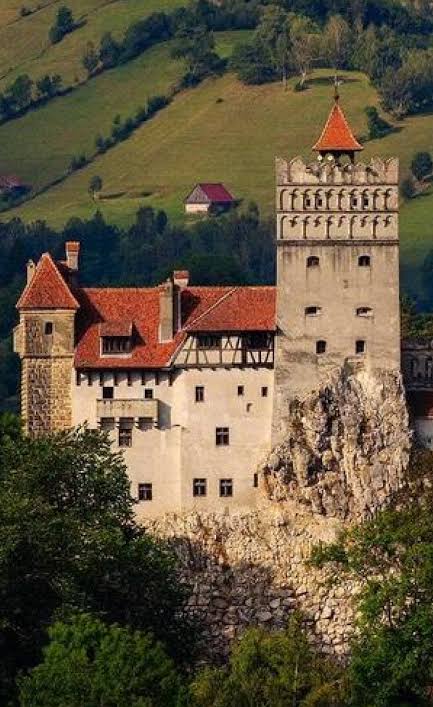
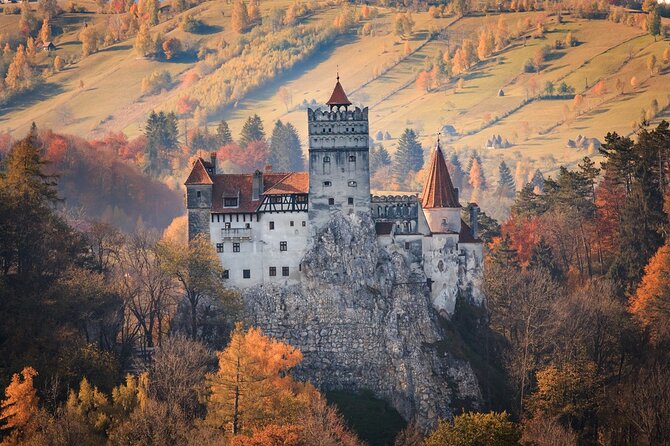
Bram Stoker researched *Dracula* (1897) from libraries in England, borrowing Transylvanian geography, superstitions and the Dracula name from written sources. He never visited Romania. His fictional castle sits far from Bran, near the Borgo Pass in the northern Carpathian Mountains. So why Bran? When Western tourists began arriving in the 20th century looking for *the* Dracula castle, Bran was the one that looked the part — a gothic silhouette on a crag, exactly what readers imagined. The identification stuck, Romania embraced it, and today the castle hosts exhibitions on both the historical Vlad and the literary count. It's a case study in fiction rewriting a building's identity — and it's precisely why "haunted Bran" is marketing, not memory.
Strigoi: The Real Transylvanian Undead
Here's the part most visitors miss: Romania *does* have a genuine, centuries-old undead tradition — it just isn't about counts in capes. The strigoi of Romanian folklore are restless dead who rise from the grave to torment the living, drain vitality and sour milk and crops. Village customs to prevent a corpse becoming a strigoi were documented well into the 20th century, and isolated cases of ritual exhumation in rural Romania made news as recently as the 2000s. Stoker's vampire is a literary cousin of this folklore, filtered through Western gothic fashion. The castle's myth rooms cover strigoi beliefs — read the panels; they're the most authentically eerie thing in the building.
Guides on the guided tours tend to know the folklore layer well — garlic at thresholds, burial customs, which villages kept strigoi rites longest. It's better material than any invented ghost story, and it's real ethnography.
So Where Do the Ghost Stories Come From?
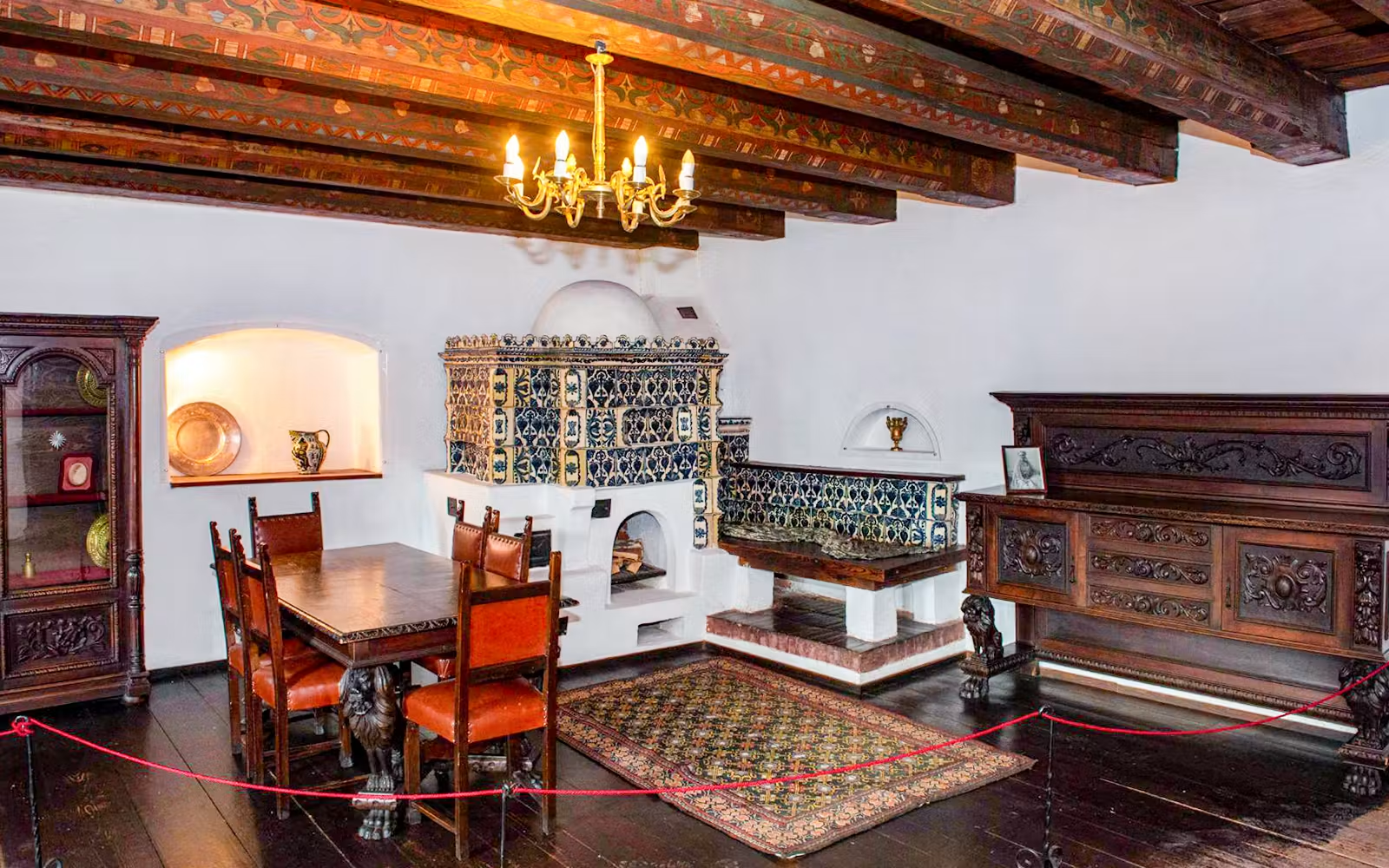
Three sources, none of them the castle itself. First, clickbait: "most haunted castles in Europe" listicles recycle each other, and Bran's Dracula branding makes it an automatic inclusion regardless of evidence. Second, atmosphere misread as evidence: creaking 1920s woodwork, tight corridors, mountain fog — a building doesn't need ghosts to feel haunted. Third, genuine sadness in the walls: Queen Marie of Romania, who made Bran her beloved retreat after 1920, asked that her heart be kept nearby after her death, and it was for a time — a romantic, melancholy fact that ghost-tour logic happily inflates. The Habsburg heirs who received the castle back in 2009 run it as a serious museum; you will find no séance nights on the official calendar.
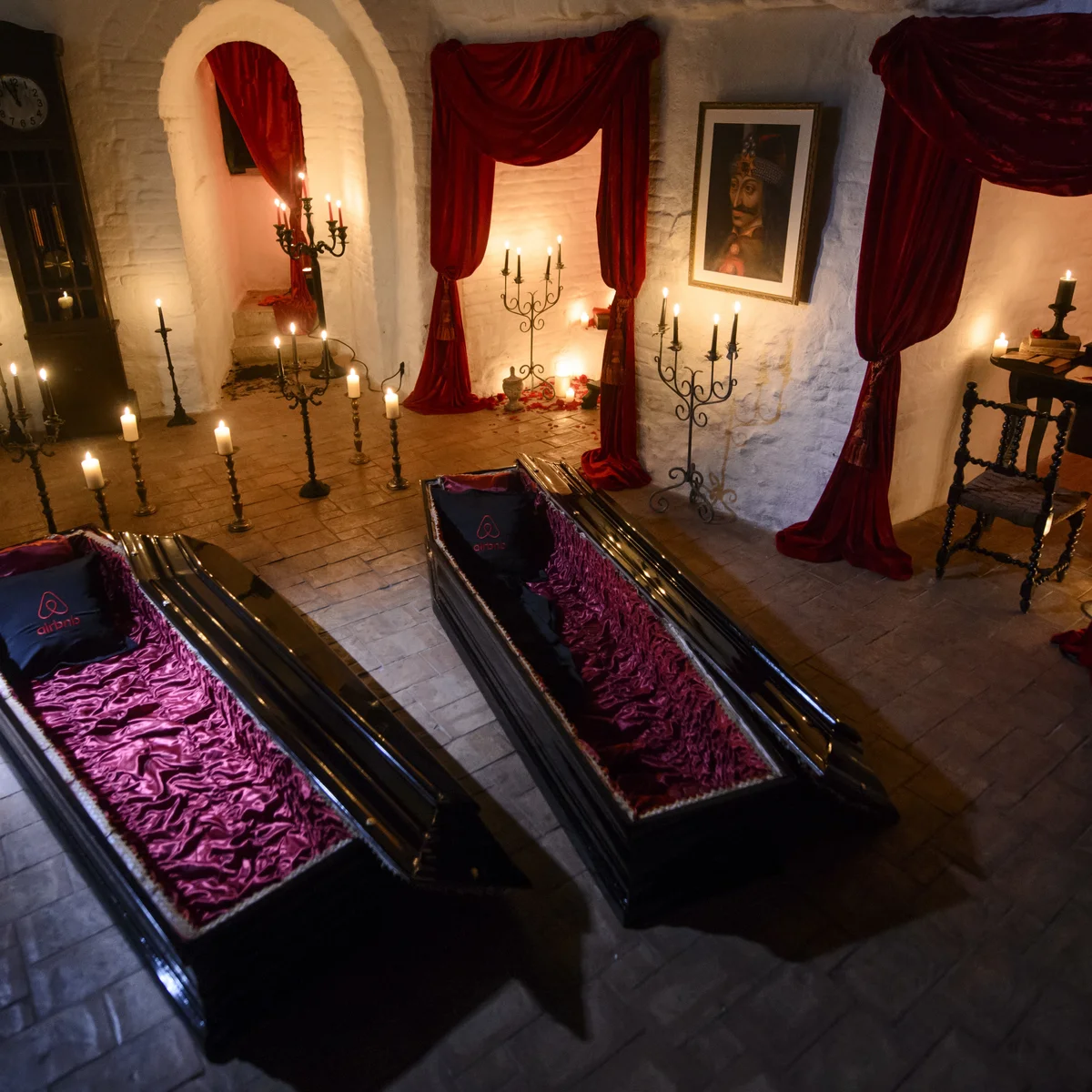
Book the Bran Castle Halloween Experience
How to Actually Get Scared at Bran Castle
Come for Halloween
The one night the castle parties after dark: costumes, themed decor and the courtyard lit like a film set. Tickets sell out well ahead — this is the single most in-demand date of the year.
Add the Torture Chambers
A small extra-cost exhibition (20–30 lei) of medieval instruments. Genuinely grim, historically grounded, and the closest the castle gets to horror.
Ride the Time Tunnel
The multimedia elevator drops through the rock beside the courtyard well — dark, loud and theatrical. Kids love it; details on the Time Tunnel page.
See it at night from outside
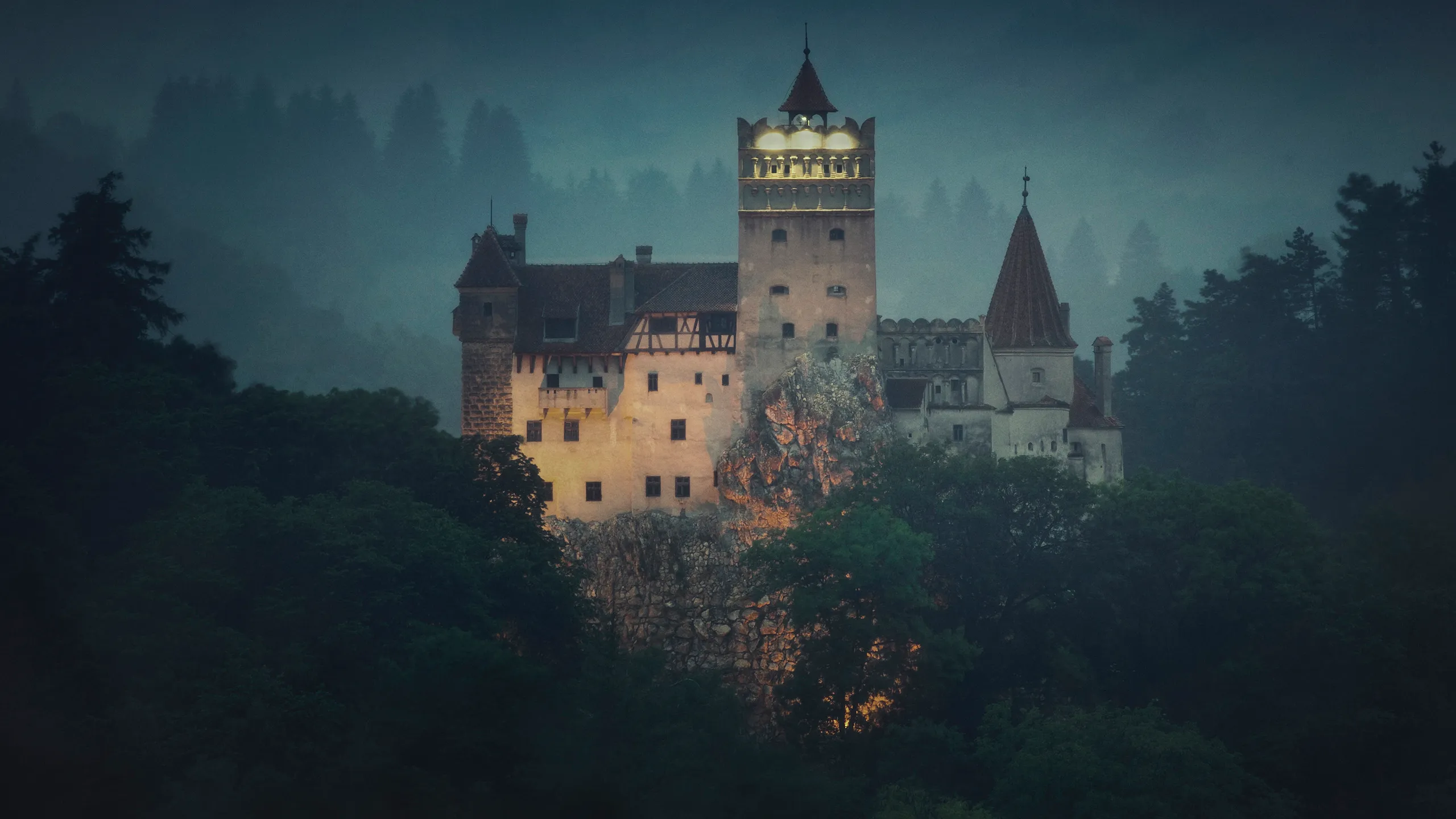
The lit castle in mountain fog out-spooks anything indoors. Photo spots and evening logistics on Bran Castle at night.
Visiting with the Legend in Mind
For maximum atmosphere, skip August at noon. Come at opening on a misty off-season morning, or in the last entry window when the coaches have gone — check the seasonal opening hours first, since winter last entry is 16:00. November through March delivers the moodiest scenery, and snow turns the castle into the exact image Stoker's readers carry in their heads. Stay overnight in the village and you get the lit castle to yourself after dark — options on the hotels page. And take the myth rooms seriously: Bran's real story — Saxon fortress, royal home, Cold War survivor, Habsburg restitution — outlasts any ghost tale.
Bran Castle Haunted — FAQ
Is Bran Castle actually haunted?
No documented hauntings exist — no credible sightings, no castle-endorsed ghost stories, and the museum itself makes no paranormal claims. Its spooky reputation comes from the Dracula association, not from reported ghosts.
Did Dracula really live in Bran Castle?
Count Dracula is fictional, and his author Bram Stoker never visited Romania. The historical inspiration, Vlad the Impaler, has no solid documented residence at Bran — at most a passing connection to the trade route the castle guarded.
Why is Bran Castle called Dracula's Castle?
Because it looks the part. When 20th-century tourists came searching for the castle from Stoker's 1897 novel, Bran's gothic silhouette on its cliff matched the book's imagery better than any other Romanian castle, and the name stuck.
What are strigoi?
The restless undead of genuine Romanian folklore — corpses believed to rise and torment the living. The tradition predates and partly inspired the literary vampire, and village anti-strigoi customs were documented into modern times.
Can you visit Bran Castle at night?
Not on a normal ticket — last entry is 19:00 in summer and 16:00 in winter. Night access happens only at special events, above all the annual Halloween party. You can, however, photograph the illuminated castle from the village any evening.
Is Bran Castle scary for kids?
The castle itself is a bright, furnished museum — not scary. The optional Torture Chambers exhibition is grim and worth previewing before taking younger children; the Time Tunnel is dark and loud but designed as family entertainment.
Are there ghost tours at Bran Castle?
The castle runs no official ghost tours — its guided visits cover history and myth-versus-fact. Themed after-dark experiences are limited to special events like Halloween, so book those well in advance.
What happened to Queen Marie's heart?
Queen Marie of Romania, who made Bran her home from 1920, asked that her heart be kept near her beloved retreat after her death, and for years it was kept in the area — a documented royal story often distorted into ghost lore. Today it rests in Romania's national collections.
Prices, opening hours and visiting rules on this page are based on information published by the official Bran Castle website (bran-castle.com) and are provided for guidance only. They can change without notice — always verify current details on the official site before you travel. This website is an independent guide and is not the official ticket office.